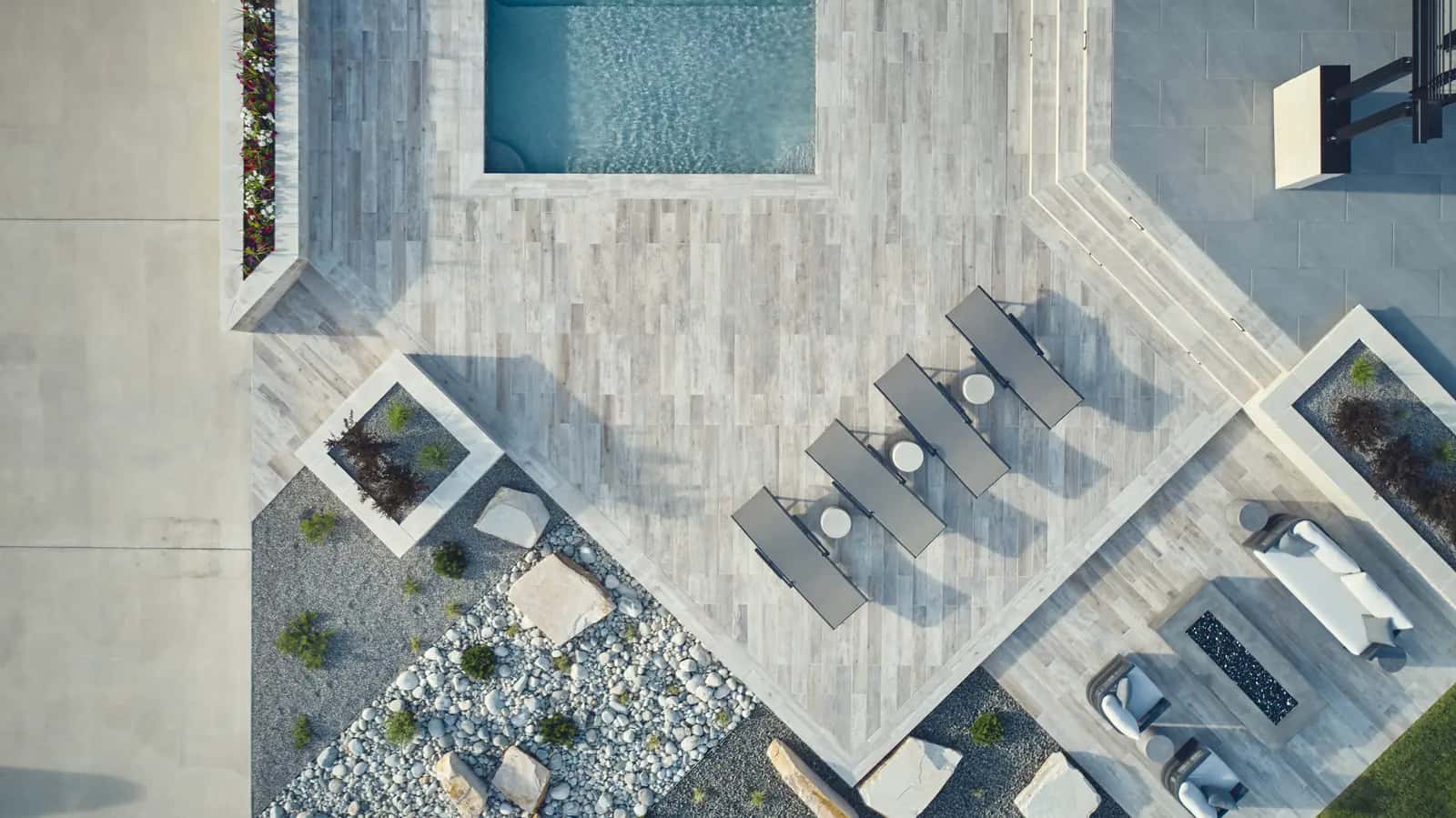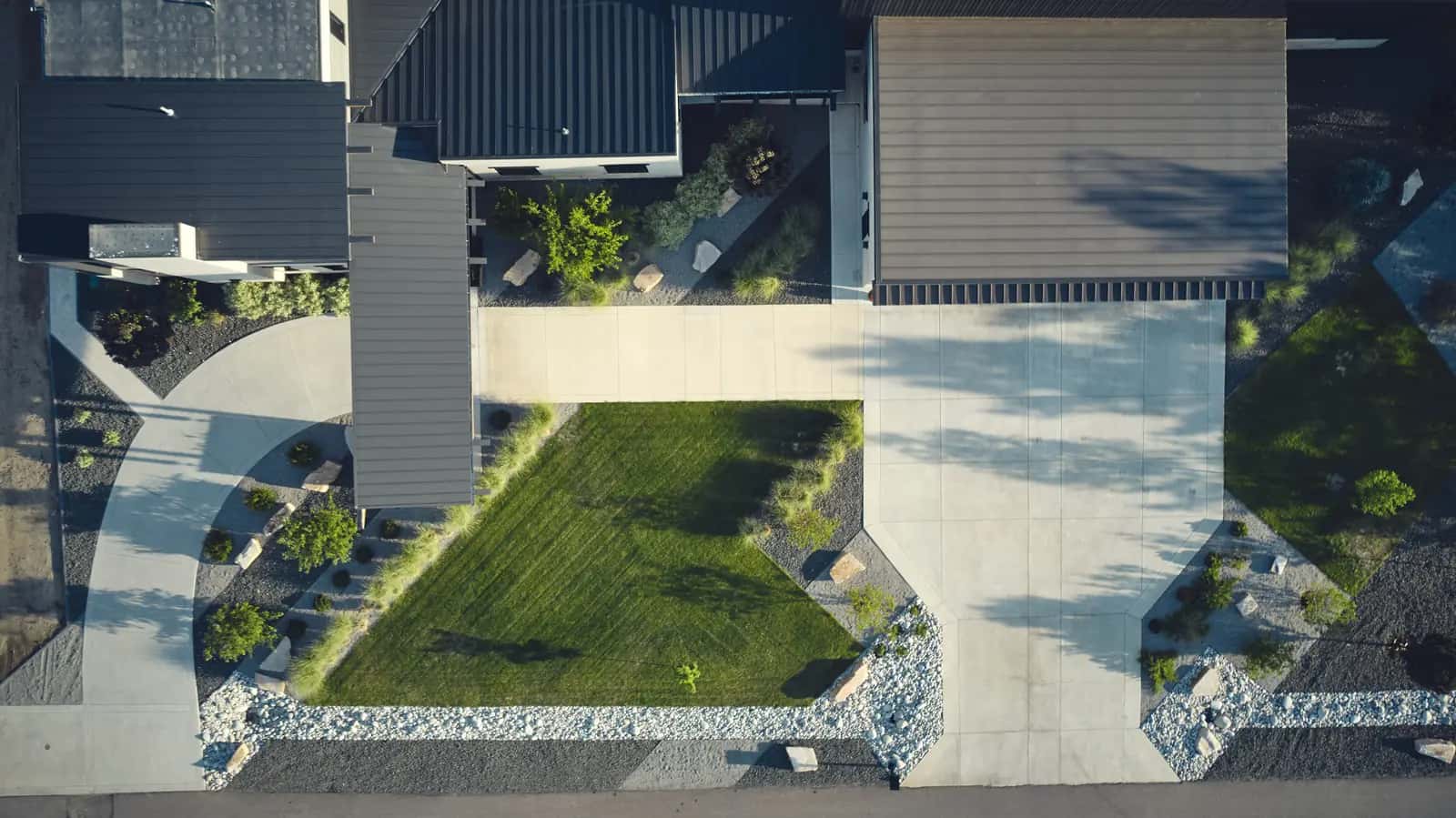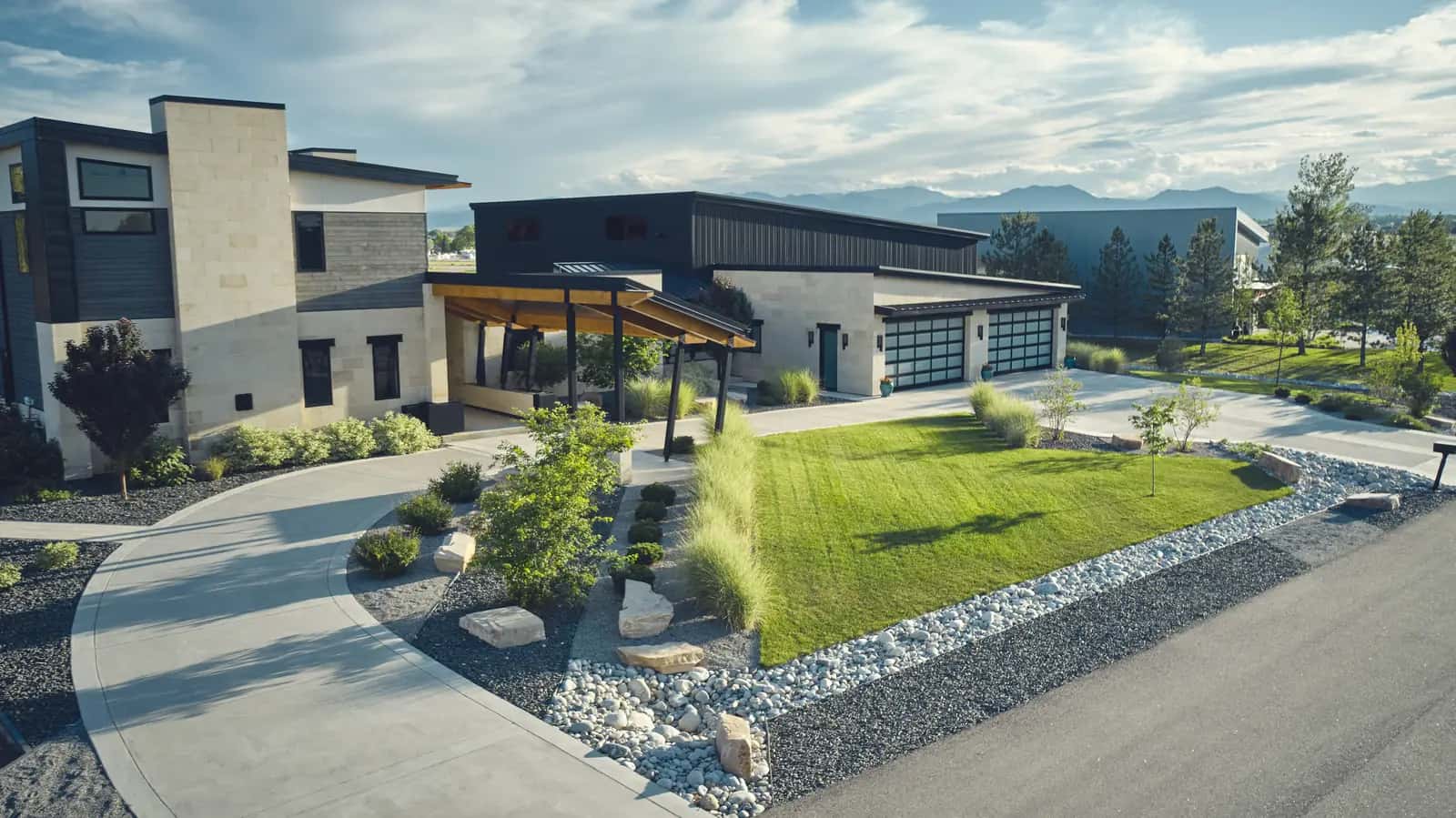
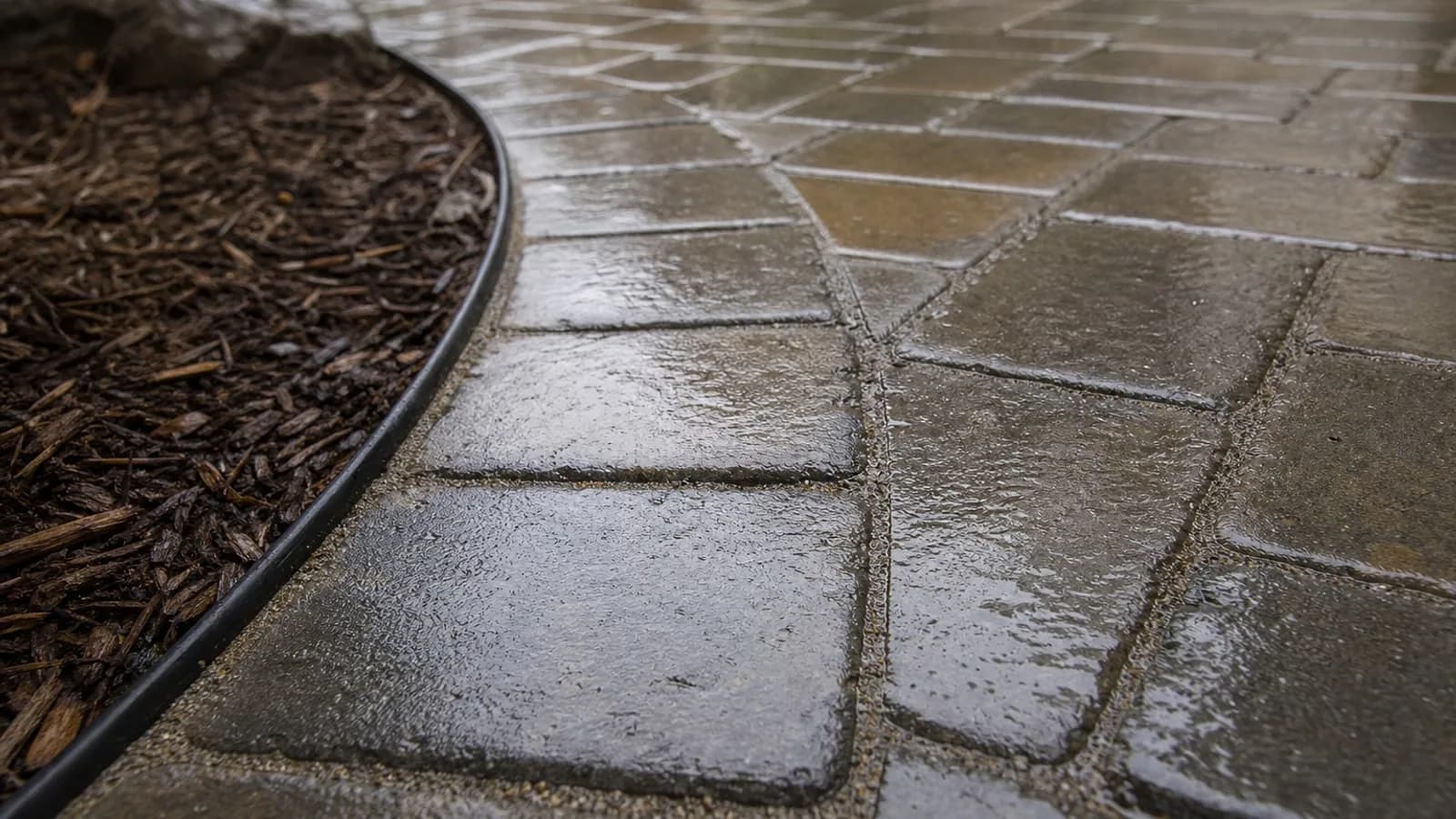
One of the biggest advantages of a paver installation is how little ongoing maintenance it requires compared to poured concrete or natural stone. But "low maintenance" is not the same as "no maintenance." A few simple steps every year or two will keep your paver surfaces looking great and performing properly for decades.
Annual Maintenance: What to Do Each Year
Weed management: Despite the best joint sand and polymeric sand installation, some weeds will eventually find their way into paver joints. Pulling them by hand or spot-treating with a targeted herbicide in early spring prevents them from establishing and spreading.
Cleaning: A basic rinse with a garden hose keeps pavers looking clean through most of the year. For deeper cleaning, a mild detergent and stiff brush handles most organic staining. Pressure washing at low pressure (under 1500 PSI) is effective for more stubborn dirt but should be done carefully to avoid disturbing joint sand.
Joint sand inspection: Check your joints annually for erosion or gaps, particularly after heavy rainfall. Joints that have lost sand are more vulnerable to weed growth and ant activity.
Every Two to Three Years: Re-sand and Seal
Polymeric sand re-application: Every two to three years, inspect your joints and top up with polymeric sand where needed. This is especially important after pressure washing, which can remove joint sand.
Sealing: Sealing your pavers every two to three years protects color, reduces staining, and makes cleaning easier. Sealer also helps lock polymeric sand in place. We recommend a penetrating sealer rather than a topical film-forming sealer for most applications, penetrating sealers do not alter the surface appearance and do not peel or flake over time.
Colorado-Specific Concerns
Ice and snow management: Avoid metal-bladed shovels on pavers, they can chip and scratch the surface. Use a plastic-bladed shovel or a snow blower with a rubber-edged blade. For de-icing, sand is safest. If you use chemical de-icers, avoid products containing ammonium sulfate or ammonium nitrate, which can damage concrete-based pavers. Calcium chloride and magnesium chloride are safer options.
Freeze-thaw cycles: Colorado's freeze-thaw cycles are hard on any hardscape. Properly installed pavers with a well-compacted aggregate base handle this better than any other surface material, the flexibility of individual units allows them to move slightly without cracking. If you notice significant settling or heaving in a localized area, contact us, individual sections can often be lifted and reset without disturbing the surrounding installation.
How Micro-Climates Along the Front Range Change Wear Patterns
Wind-exposed lots in Fort Collins and Loveland can see more grit blasting joint lines, which matters if you use a glossy topical sealer. Boulder foothills properties may shed surprising sheet flow after fast storms, worth checking downspouts and irrigation spray heads aimed at the pavement. East of I-25 in Brighton or Firestone and Frederick, blowing dust can make light-colored pavers look dull faster; penetrating sealers and sensible cleaning cadence usually beat aggressive acids. If efflorescence shows the first spring after install, it is often seasonal; if it persists past a couple of wet/dry cycles, have the joint activation and irrigation aim reviewed before trying stripper chemistry.
When to Call a Pro
If you see rutting along the garage edge, widespread joint loss after one winter, or trip hazards over a quarter inch, it is time for a professional assessment. Sometimes the fix is a targeted lift-and-relay; sometimes drainage upstream needs correction. Early intervention costs less than letting water work into the base.
For any maintenance questions or concerns about your Rock N Roll Stoneworks installation, contact us directly.
Frequently Asked Questions
How often should I reseal pavers in Colorado? Many homeowners reseal every two to three years because UV at altitude breaks down sealers faster than in low-elevation climates. Use a penetrating sealer unless a designer specifies otherwise.
Can I pressure wash my paver patio? Yes, at low pressure (typically under 1500 PSI) and with a wide fan tip, keeping the wand moving. Aggressive washing can strip joint sand, which then needs to be refilled with polymeric sand.
What de-icer is safe for concrete pavers? Sand is the safest default. If you need chemicals, calcium chloride or magnesium chloride are generally less damaging than ammonium sulfate or ammonium nitrate, which can harm concrete-based pavers.